Image 1 of 10
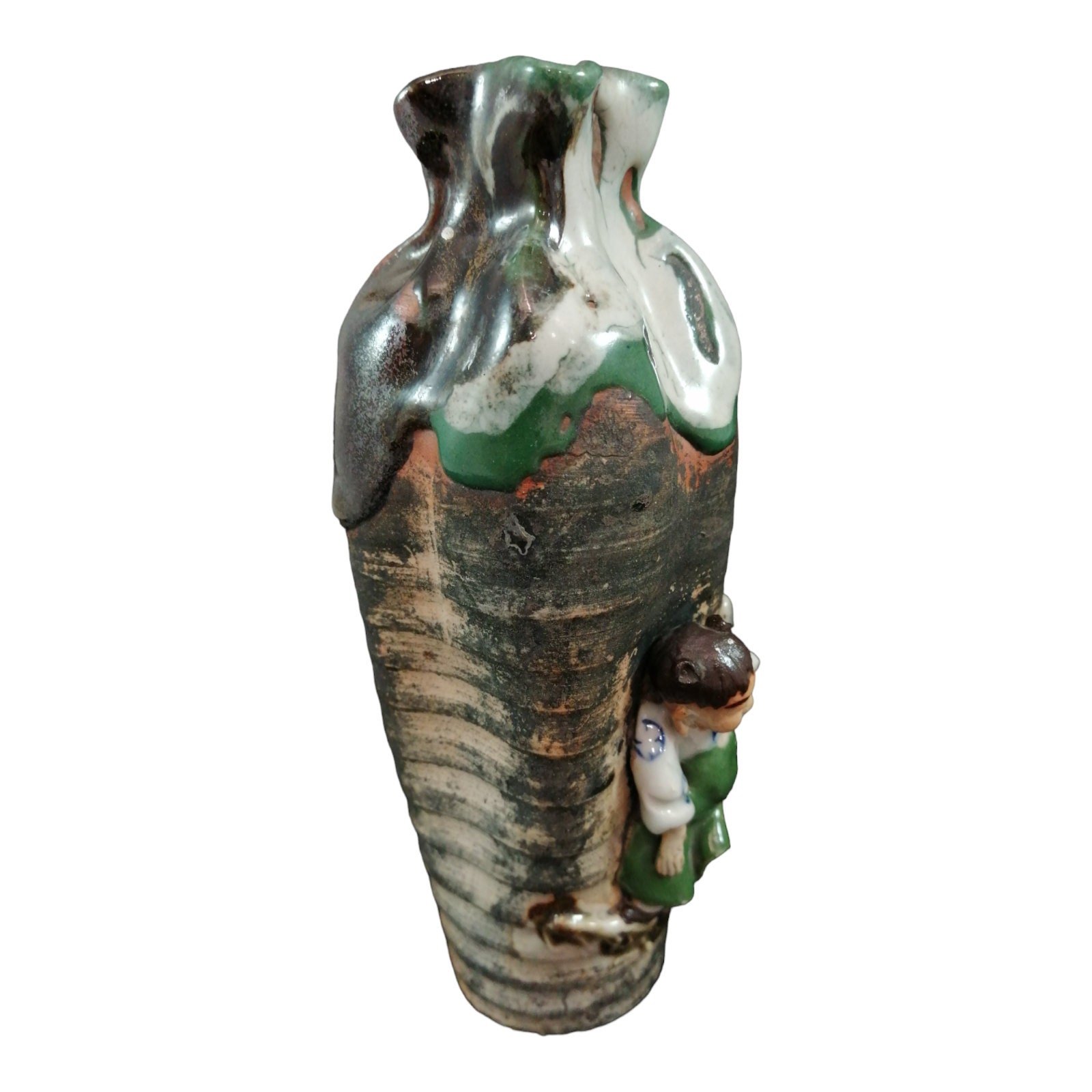 Image 2 of 10
 Image 3 of 10
 Image 4 of 10
 Image 5 of 10
 Image 6 of 10
 Image 7 of 10
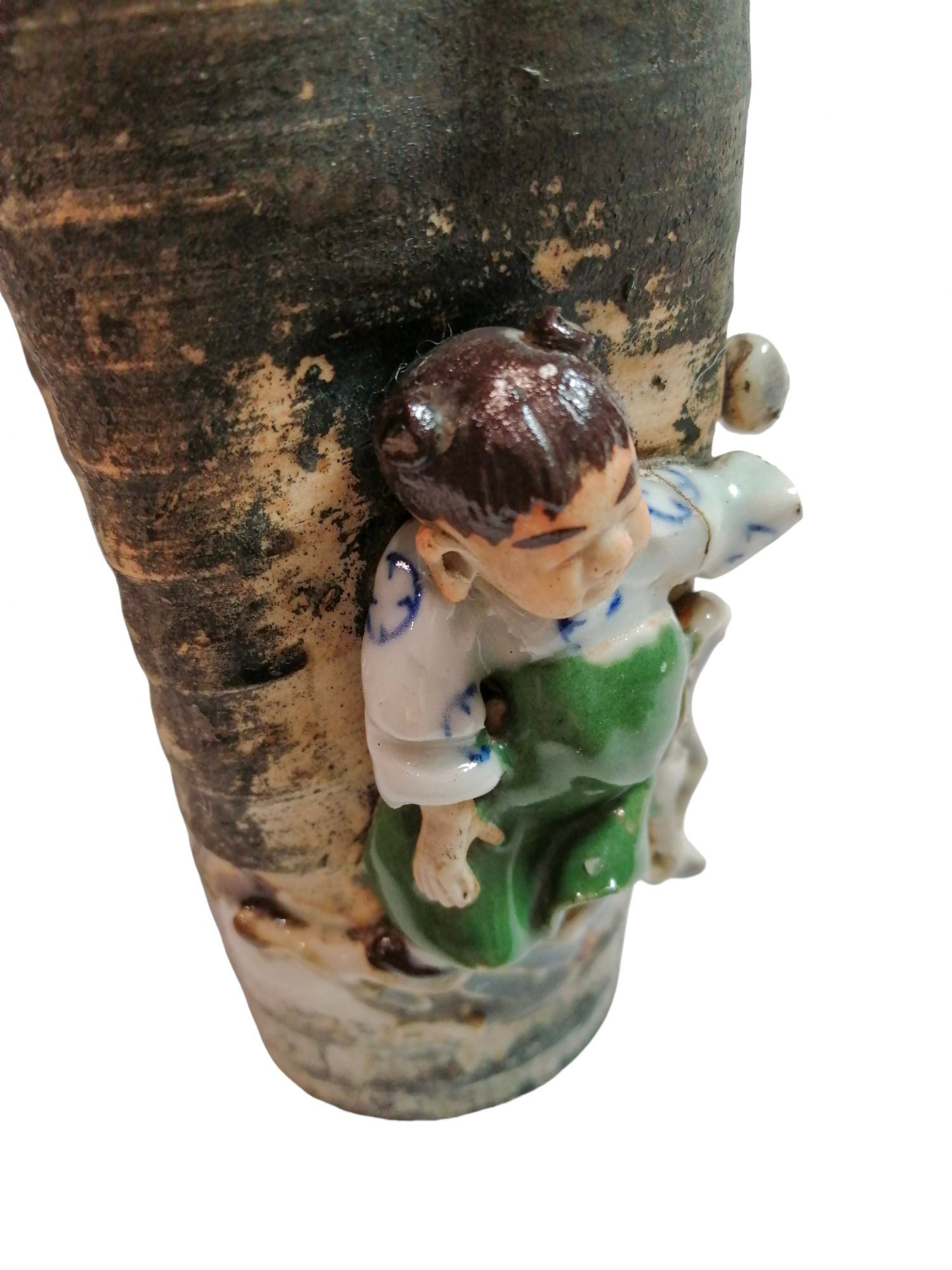 Image 8 of 10
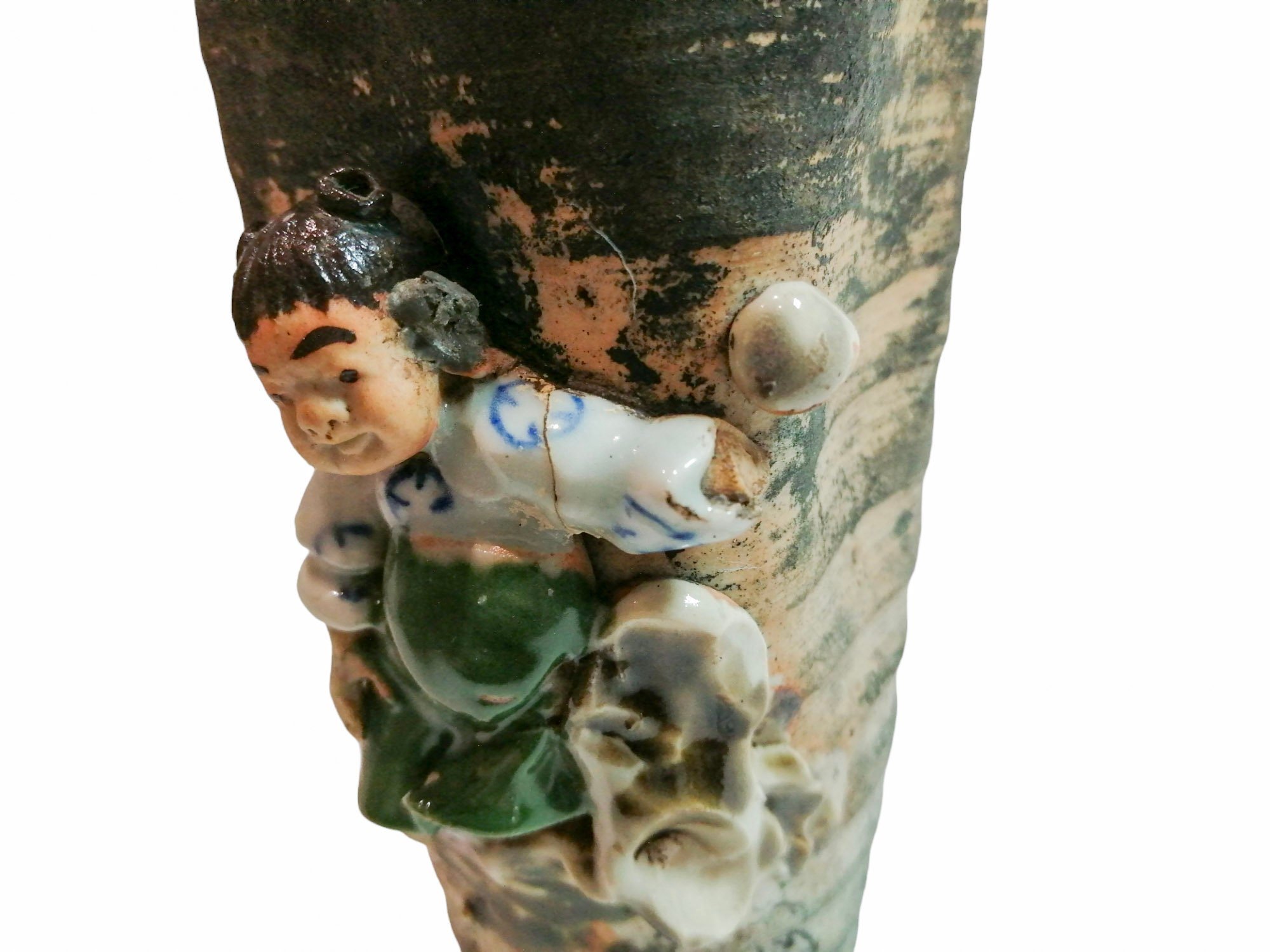 Image 9 of 10
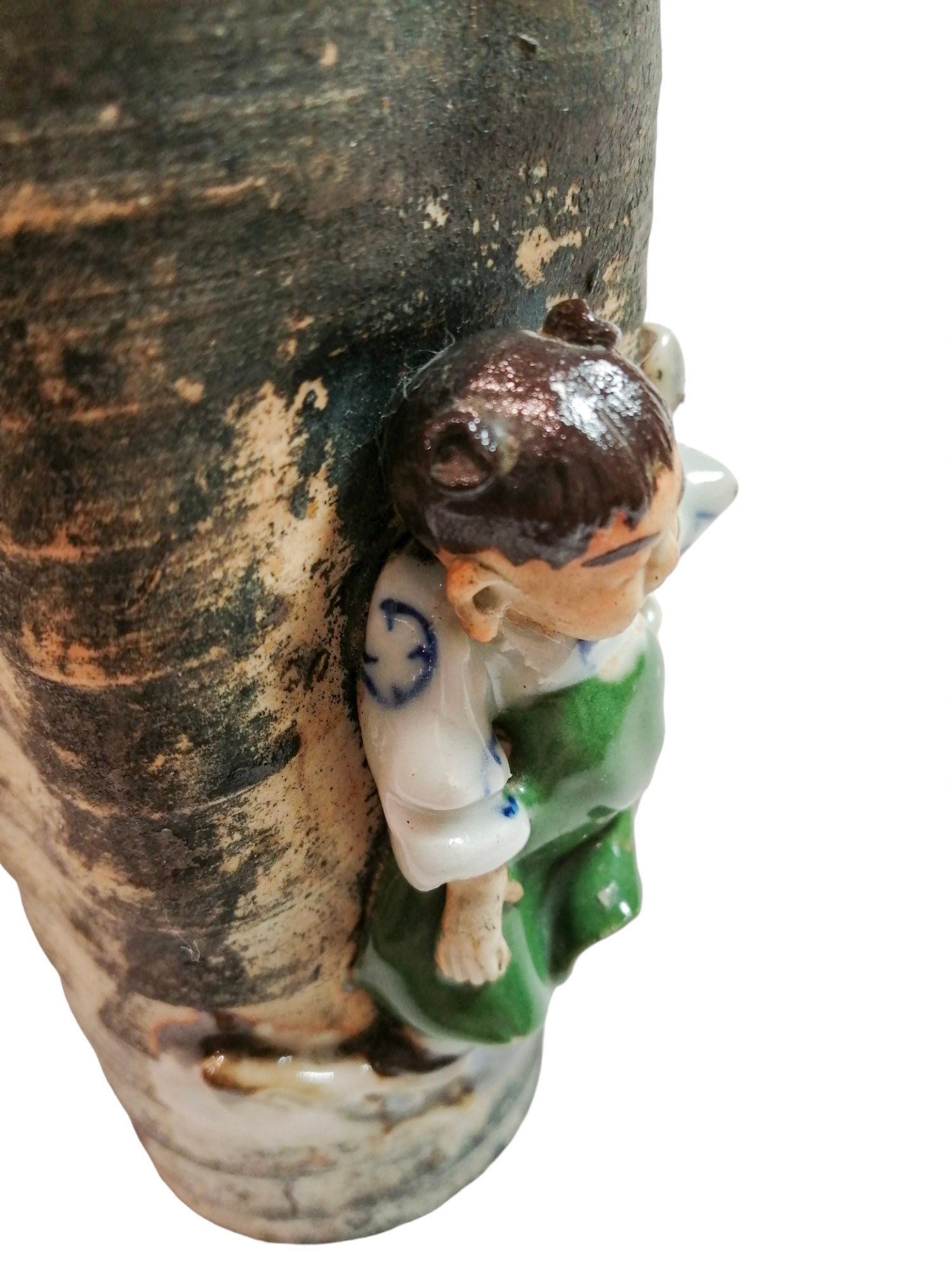 Image 10 of 10
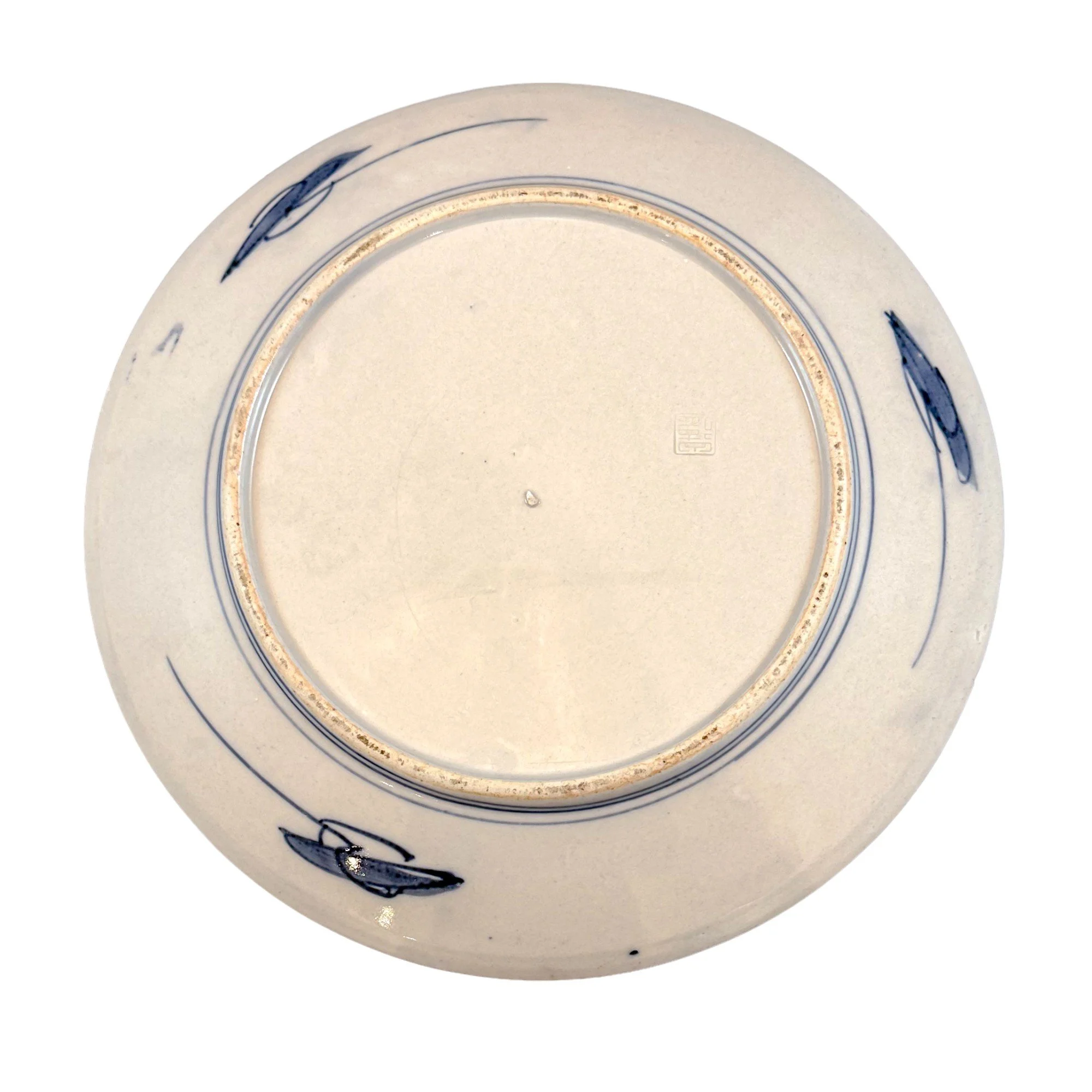
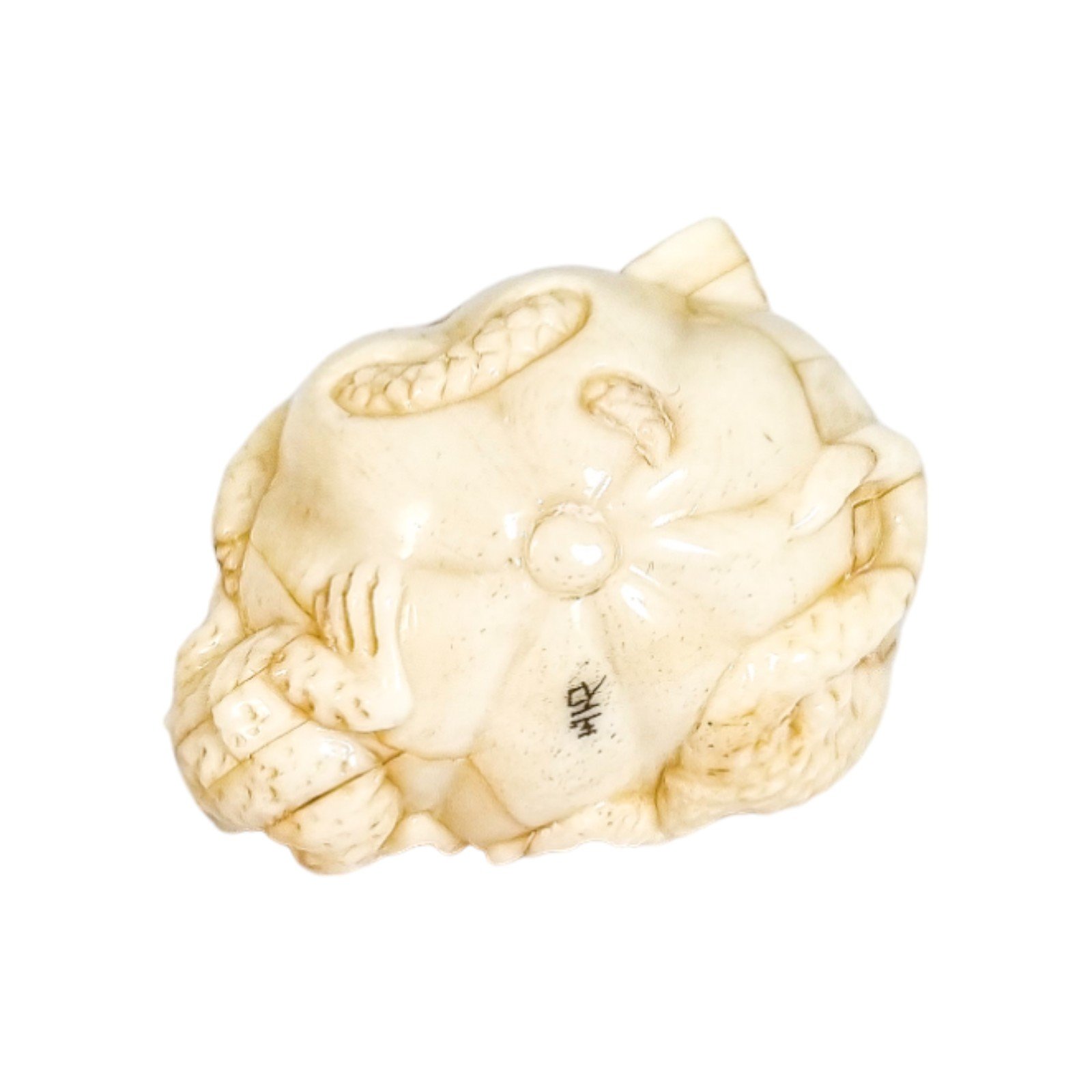
Sumida pottery was created specifically for export between the late 1800s and the 1920s. It was still produced until World War II and briefly after the war.
This distinct type of wares got its name from the Sumida River running near the Asakusa pottery district near Tokyo. Sumida pottery has often been called by many names - Poo ware, Sumidagawa, Banko, or Asakusa Banko.
The style of applied figures on a surface with flowing glaze was invented about 1890 by the Seto potter Ryosai I, who worked in Tokyo from about 1875 to 1900.
Ishiguro Koko worked as a potter under the 1st generation Inoue Ryosai of Sumida ware. Later became independent in Kameido, Tokyo with Koko ware. He exhibited at the National Ceramic Industry Promotion Society in 1901 and at St. Louis Expo in 1904.